Why Bird Populations are Headed Downhill
Loon Endangerment in New Hampshire:
I have been researching the loon population in New Hampshire and the reasons why it is going down. I am interested in this topic because I go fishing on lakes, more specifically Clement Pond in Contoocook and there are many loons on the pond. I have always been told to be careful with the loons and to watch out for them but never knew why they were so endangered.
I found a source that explained it all. The main reason why loon deaths are so high is because of lead poisoning. According to the Loon Preservation Committee: "Once ingested, the lead tackle goes into the loon’s gizzard. The acid and grinding action of the gizzard erodes the lead, which then passes into the bloodstream and organs and poisons the loon. Even a single small lead split shot sinker is fatal to loons, which will die within 2-4 weeks of ingesting a piece of lead fishing tackle.” Doesn't this sound like torture? In 2018, the New Hampshire legislature has passed a law to decrease the death of loons. The law that has been implemented was the ban on the use and sale of lead tackle. Hopefully, this law will bring some of the population back of these birds. For all the documented loon deaths 44% of them have been from fishing tackle in the past 3 decades (Young).
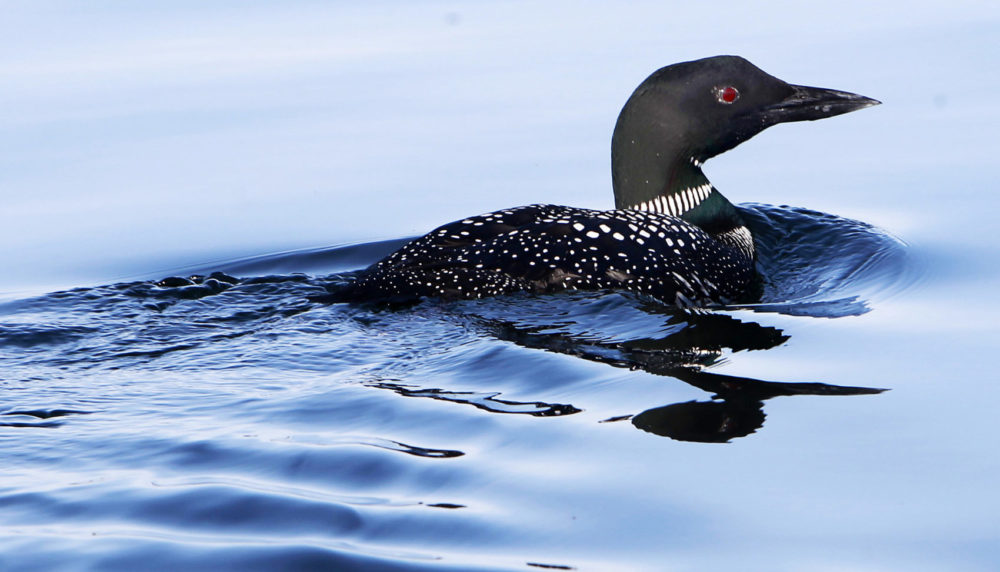
A loon swims on Lake Winnipesaukee in Wolfeboro NH (Jim Cole)
Not only has a law been passed but there is a program that started to get rid of more lead tackle. New Hampshire Fish and Game and tackle shops give out $10 vouchers to any fishermen that give lead tackle to them. This is a good incentive for fishermen to stop using lead-based products and other less harmful tackle. As someone who fishes, I can say that lead sinkers are not any better than steel or tin ones.
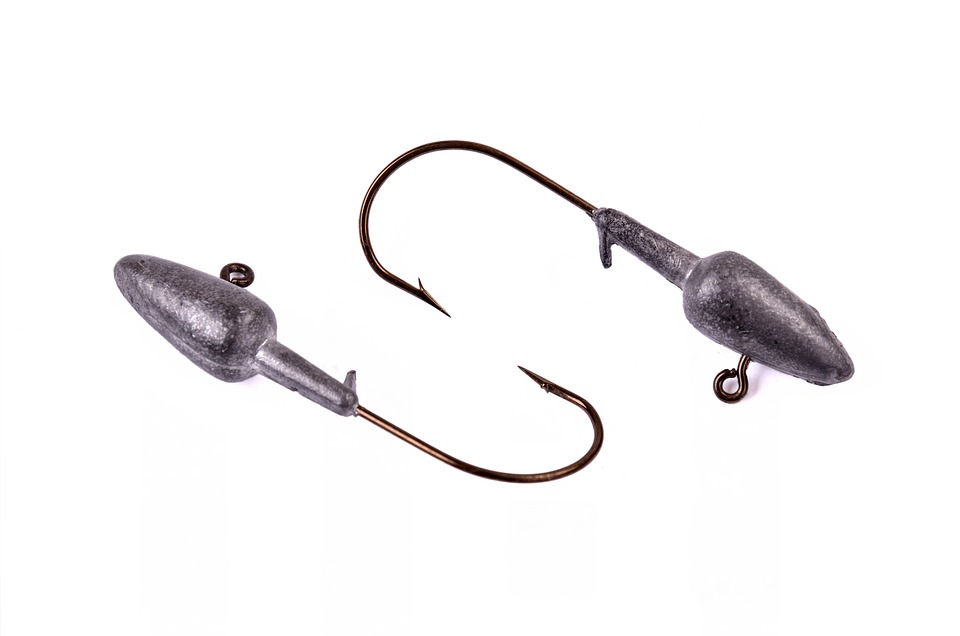
Lead Sinker (ds_30)
Lead Contamination throughout the World
Lead contamination is not only a problem for loons in New Hampshire, it is also a big problem for other bird species throughout the whole world. The species that were studied were mostly waterbirds and birds of prey. When tested for lead, 70% of the birds at levels of lead concentration that were through the roof (Plaza). Researchers found out that they were digesting this lead from numerous things, some include mining, fuels, and hunting ammunition. There have been policies set in Europe, Asia, and Oceania to decrease lead poisoning in birds, however, there are no regulations on ammunition. Birds around the world are also dying from other causes such as pollution, motorboats, waste disposal, and chemical-petrochemical industries.

(Plaza)
In all, I believe that not just in New Hampshire but across the whole globe, the bird population is decreasing and mainly because of lead. There are many things that we can do to prevent the lead from spreading to keep species from not going extinct. I did not realize that this was a big problem throughout the world. I know birds and marine life die from plastic and pollution but I did not know that lead was such a main factor in why birds are dying.
Chambliss, Lauren. "Lead Fishing Tackle Is Still a Problem for Common Loons." The Cornell Lab, 13 June 2018, www.allaboutbirds.org/news/lead-fishing-tackle-is-still-a-problem-for-common-loons/. Accessed 6 Jan. 2021.
Cole, Jim. A loon swims on Lake Winnipesaukee in Wolfeboro, N.H. WBUR, 30 July 2019, www.wbur.org/hereandnow/2019/07/30/anglers-lead-tackle-loon-new-hampshire. Accessed 6 Jan. 2021.
Ds_30. Lead Sinker. Pixabay, 23 Feb. 2020, pixabay.com/photos/artificial-dancing-folk-hook-4872646/. Accessed 6 Jan. 2021.
Loon Preservation Committee. "Protecting Loons from Lead." Loon Preservation Committee, loon.org/loons-and-lead/. Accessed 6 Jan. 2021.
Plaza, Pablo I. "A review of lead contamination in South American birds: The need for more research and policy changes." Science Direct, Oct. 2018, www.sciencedirect.com/science/article/pii/S2530064417302067. Accessed 6 Jan. 2021.


The loon's calls are one of my fondest memories of summer when I was younger. I've always known they were endangered, but what you wrote here actually helped me understand why. Do you know if there is evidence of the loons survival rates improving since the law you mentioned was put in place? If so, could other countries create laws like that one to improve the extinction rates of bird species there?
ReplyDeleteIs the lead ingestion leading to bird deaths in other areas of the world, or is that just what happens to loons when they ingest lead?
ReplyDeleteYes, from the information I saw lead poisoning is the leading cause of bird deaths not just loon, it is just a big problem for loons that is why it is more well known.
DeleteThis is really interesting, Loon's are very species of bird and having them being harmed by careless people is just saddening to hear. I also found it great that you had a personal connection to this as you were also in fact a fisher. Why does lead effect these birds so much? How do they die from it?
ReplyDeleteHi Ellie, This was an interesting post. I'm curious to know if the law that was passed in 2018 and the NH Fish and Game incentives are working. Did you read anything about whether or not the loon population is improving since these changes? Best, Mrs. Zecha
ReplyDelete